
About Us
Our Story
Our Roots
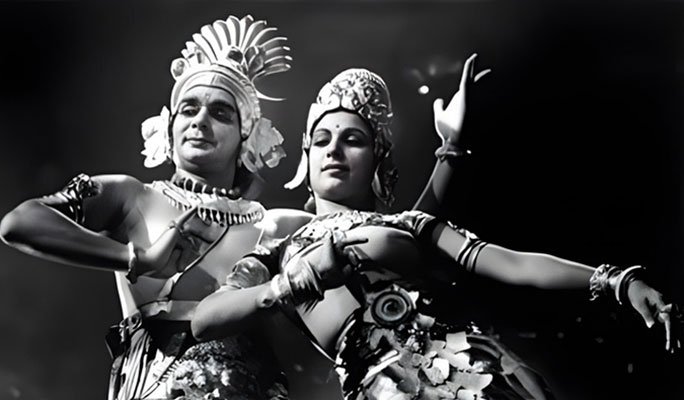
For us, our roots lie firmly in the Uday Shankar style of dance.
Our curriculum is crafted to honour the creative genius, not just by following in his dance steps but in living his philosophy of dance as a bridge between geographies and cultures. And then, there is his dream – to constantly evolve the definition and boundaries of Indian dance.
What is the Uday Shankar Style of Dance?
This style of dance refers to the distinctive idiom and philosophy of dance developed by Uday Shankar, a pioneering Indian dancer and choreographer, by an integration of Western theatrical techniques with Indian dance forms, both classical and folk.
The history
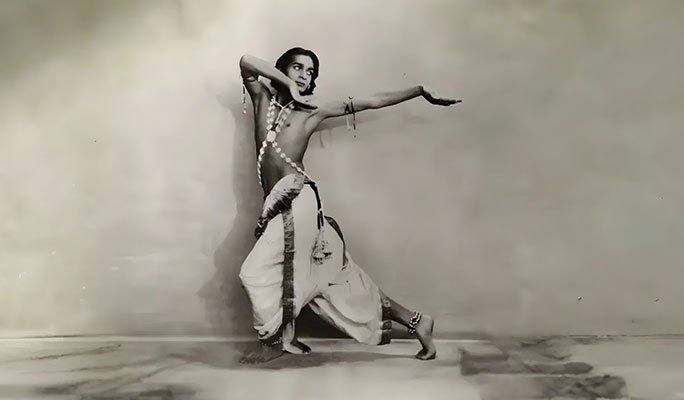
Born in 1900 at the turn of a century, Uday Shankar lived and worked till the late Sixties. Shankar’s formal training was in fine arts, starting first in Bombay (now Mumbai), before he moved to London to study at the Royal College of Art under artist William Rothenstein. His time in London allowed him the opportunities to explore the medium of dance and he started participating in performances with Indian themes or characters. The great Russian ballerina, Anna Pavlova, happened to witness one of these performances and offered him a chance to perform as well as choreograph with her. Shankar’s focus shifted from painting to dance with Rothenstein’s blessings and encouragement. Thus began a journey that was nothing short of epoch-making.
Shankar returned to India in the late Twenties and formed his own troupe. His brother, the sitar virtuoso Ravi Shankar, was a part of the troupe as well, but in a musical role. This repertory company toured Europe extensively in 1930 and performed regularly in the US from 1932 until the Sixties.
In the late Thirties, he founded the Uday Shankar India Culture Centre in Almora, a serene hill station which is now in modern-day Uttarakhand. This school taught dance, drama, and music and is credited with nurturing several artists of international and national acclaim. This closed during World War II but reopened in 1965 in Calcutta (now Kolkata).
The idiom
Shankar fused classical and folk traditions with modern sensibilities in his dance dramas. His initial love, exposure and training in art influenced his style greatly. Rajasthani paintings, the Ajanta-Ellora frescoes, as well as themes from the epics – all informed his work.

The legacy
This integration of diverse influences is considered a pivotal moment in the development of modern dance in India. It laid the groundwork for a new era in dance, one that bridged the gap between the East and the West.
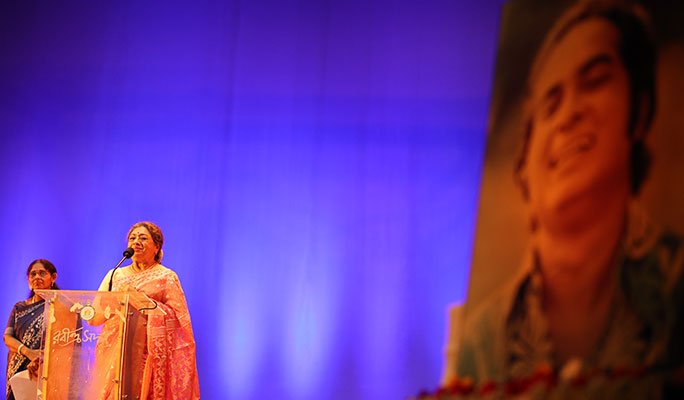
Uday Shankar was truly an artist before his time – his work, criticised during his lifetime by purists, is today considered the work of a visionary genius. Numerous dance academies across the globe continue to teach this fusion form, ensuring this legacy endures.
As Tanusree Shankar says, “The Uday Shankar style is dynamic and vigorous, with a theatrical flair that remains fresh, robust, and, above all, original. This enduring quality makes it a timeless contribution to the world of dance”.